 Fordel Studios
The Future of AI Is Open and Proprietary
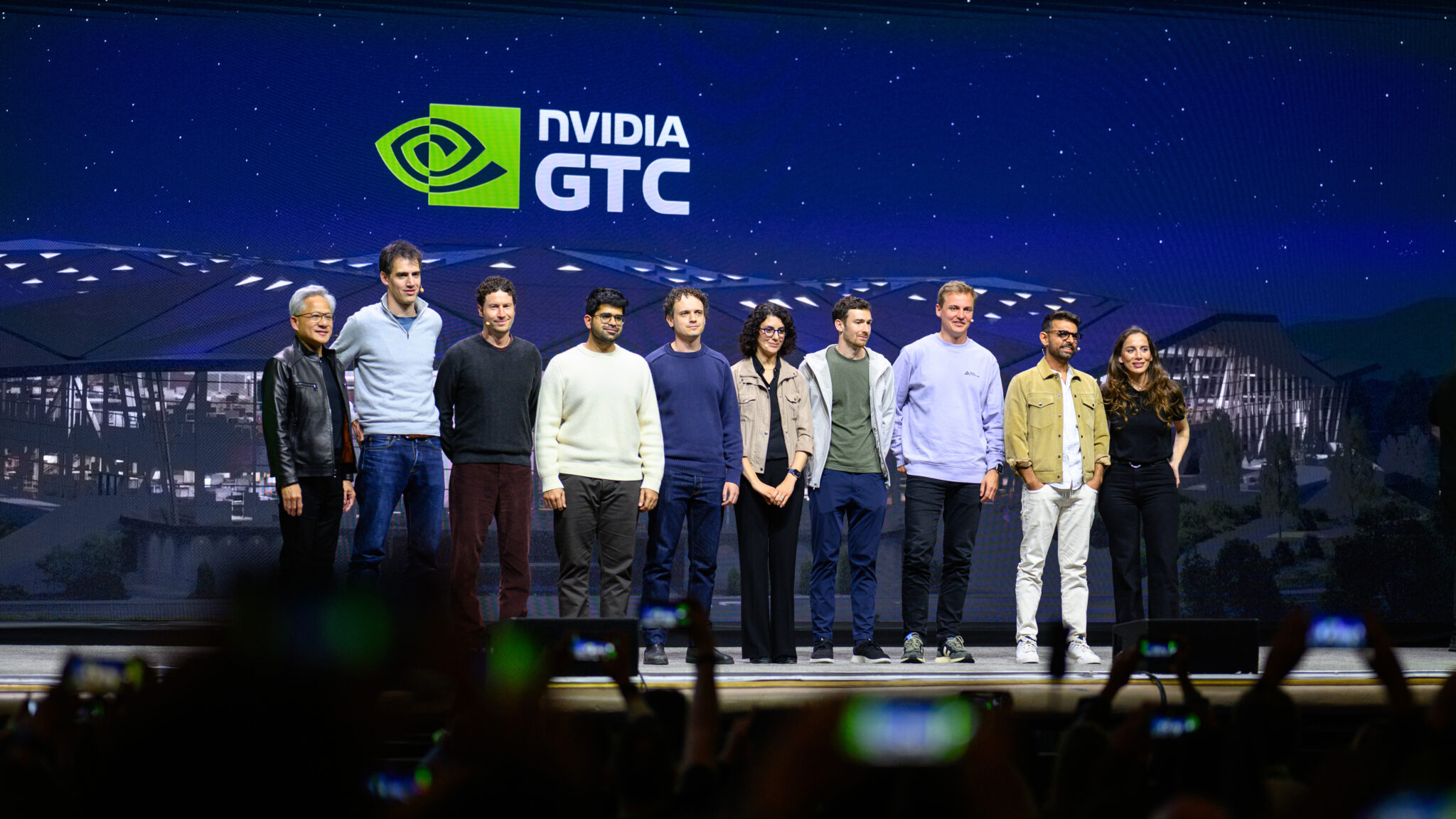
What Happened
AI is the defining technology of our time, quickly becoming core business infrastructure. It’s fueled by a diverse ecosystem of models: large and small, open and proprietary, generalist and specialist. This variety is essential for a future where every application will be powered by AI, every count
Our Take
The model landscape has formally bifurcated. Proprietary APIs — GPT-4o, Claude, Gemini — own frontier capability. Open-weight models — Llama 3, Mistral, Phi-4 — own cost and control. Neither side is collapsing. Both are growing.
For production systems, routing matters more than model selection. Teams running a single proprietary API across every workload — classification, RAG retrieval, generation — are overpaying by 5–20x on low-complexity steps. Phi-4 handles intent classification at a fraction of GPT-4o's per-token cost. Defaulting to frontier models for every call isn't a strategy — it's a budget leak.
What To Do
Route classification and retrieval tasks to open-weight models like Phi-4 instead of GPT-4o because frontier API pricing is 5–20x more expensive for tasks that don't need frontier reasoning.
Builder's Brief
What Skeptics Say
'Both open and proprietary win' is a non-thesis that benefits incumbents who can afford both bets; it obscures real licensing restrictions in 'open' models and hands cover to companies avoiding genuine openness commitments.
Cited By
React
Get the weekly AI digest
The stories that matter, with a builder's perspective. Every Thursday.