 Fordel Studios
Meta Adaptive Ranking Model: Bending the Inference Scaling Curve to Serve LLM-Scale Models for Ads
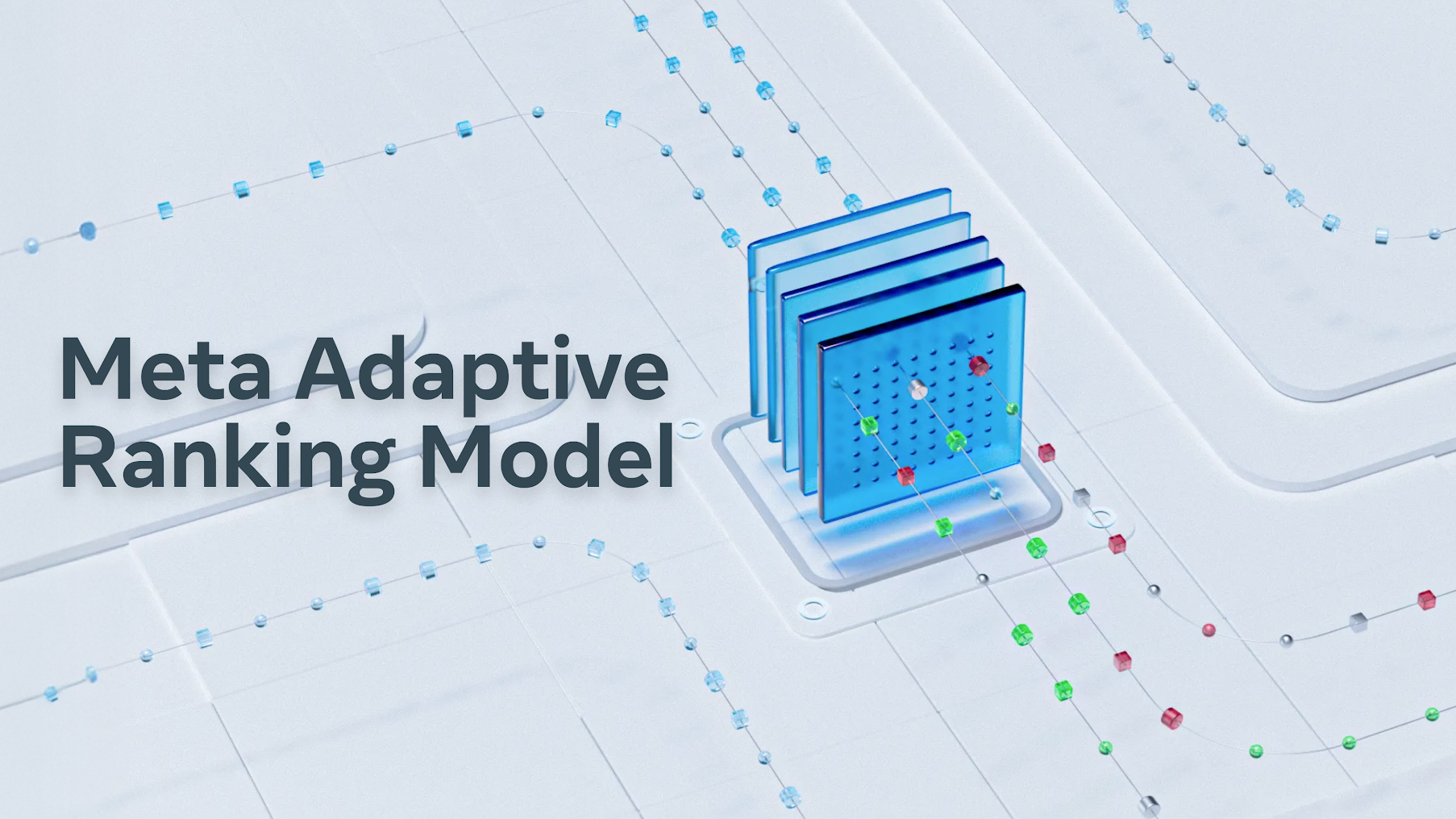
What Happened
Meta continues to lead the industry in utilizing groundbreaking AI Recommendation Systems (RecSys) to deliver better experiences for people, and better results for advertisers. To reach the next frontier of performance, we are scaling Meta’s Ads Recommender runtime models to LLM-scale & complexity t
Our Take
honestly? they're just trying to prove they can make giant LLMs run ad systems efficiently. scaling inference for LLMs costs a fortune, and meta's whole point is bending that scaling curve so their recommendation engine doesn't blow up. it's less about the fancy AI and more about squeezing every last bit of revenue out of the hardware before the cost of running the model eats the profit. they're using RecSys expertise to manage the chaos of LLM inference, which is smart engineering, even if the market rewards the flash.
look, we're talking about optimizing inference costs for multi-trillion parameter models. the real metric isn't just the accuracy, it's the throughput and the latency at massive scale. if they can tame the inference costs for LLM-scale models, it just means they can serve more ads profitably.
this isn't magic; it's just making sure the hardware isn't sitting idle while the models churn through billions of queries. it's the difference between a cool demo and a functioning, profitable system.
What To Do
Focus on optimizing model serving infrastructure to reduce inference costs and latency.
Builder's Brief
What Skeptics Say
Meta's RecSys gains compound into higher ad auction prices, not better advertiser ROI; efficiency improvements on Meta's infrastructure do nothing for the industry until the techniques are open-sourced in usable form. The post is effectively a recruiting and investor signal dressed as research.
Cited By
React
Get the weekly AI digest
The stories that matter, with a builder's perspective. Every Thursday.