 Fordel Studios
Into the Omniverse: NVIDIA GTC Showcases Virtual Worlds Powering the Physical AI Era
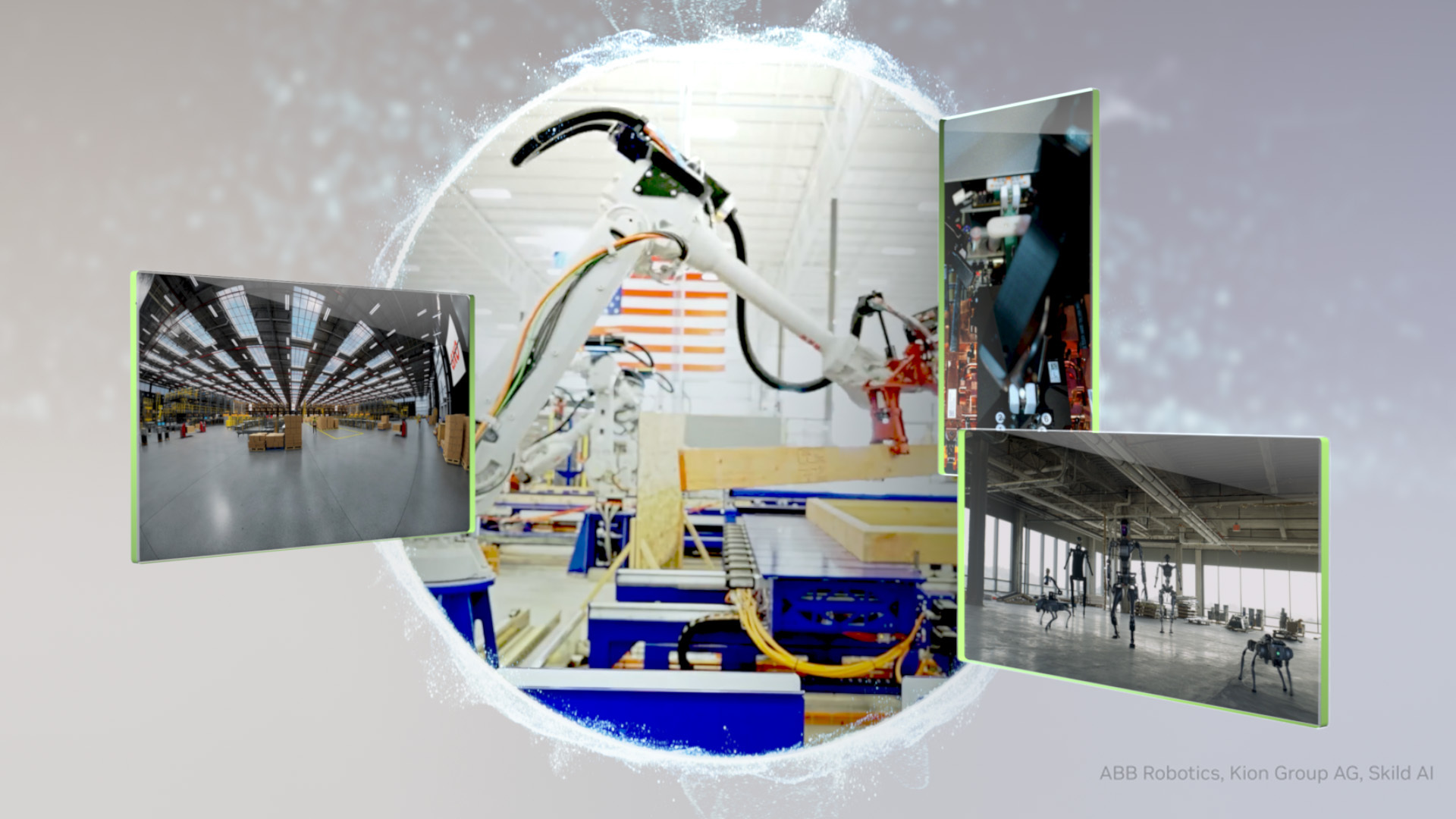
What Happened
Editor’s note: This post is part of Into the Omniverse, a series focused on how developers, 3D practitioners, and enterprises can transform their workflows using the latest advances in OpenUSD and NVIDIA Omniverse. NVIDIA GTC last week showcased a turning point in physical AI: Robots, vehicles and f
Our Take
NVIDIA GTC reframed Omniverse from visualization tool to simulation infrastructure for physical AI. Robots and autonomous vehicles are now trained in OpenUSD-based synthetic environments before touching real hardware.
Fine-tuning vision models on real footage means paying for data collection that Isaac Sim can replace. Assuming you need real-world data first is a habit costing teams months of iteration. Sim-to-real transfer is already production-grade for manipulation tasks.
Robotics and AV perception teams should move one training workload into Isaac Sim next sprint. Pure LLM teams can skip this entirely.
What To Do
Use Isaac Sim for synthetic training data instead of real-world collection because sim-to-real transfer for manipulation tasks is production-grade and removes the data bottleneck.
Builder's Brief
What Skeptics Say
Omniverse has been positioned as the foundation of physical AI for four consecutive GTC cycles with limited enterprise traction outside a handful of showcase deployments — the gap between simulation demos and production robotics pipelines remains structurally wide.
Cited By
React
Get the weekly AI digest
The stories that matter, with a builder's perspective. Every Thursday.