 Fordel Studios
Supply Chain Risk Intelligence Agent
Continuous supply chain risk monitoring across every tier of your supplier network.
The problem
being solved
Supply chain disruptions have moved from exceptional events to operational constants. The COVID-19 pandemic, the Ever Given Suez Canal blockage, the Ukraine war's impact on commodity markets, and the Taiwan Strait tensions have demonstrated that supply chains built for efficiency are structurally fragile under disruption. Organizations that discovered these vulnerabilities during a crisis had no time to respond; those that had mapped their exposure in advance could act proactively.
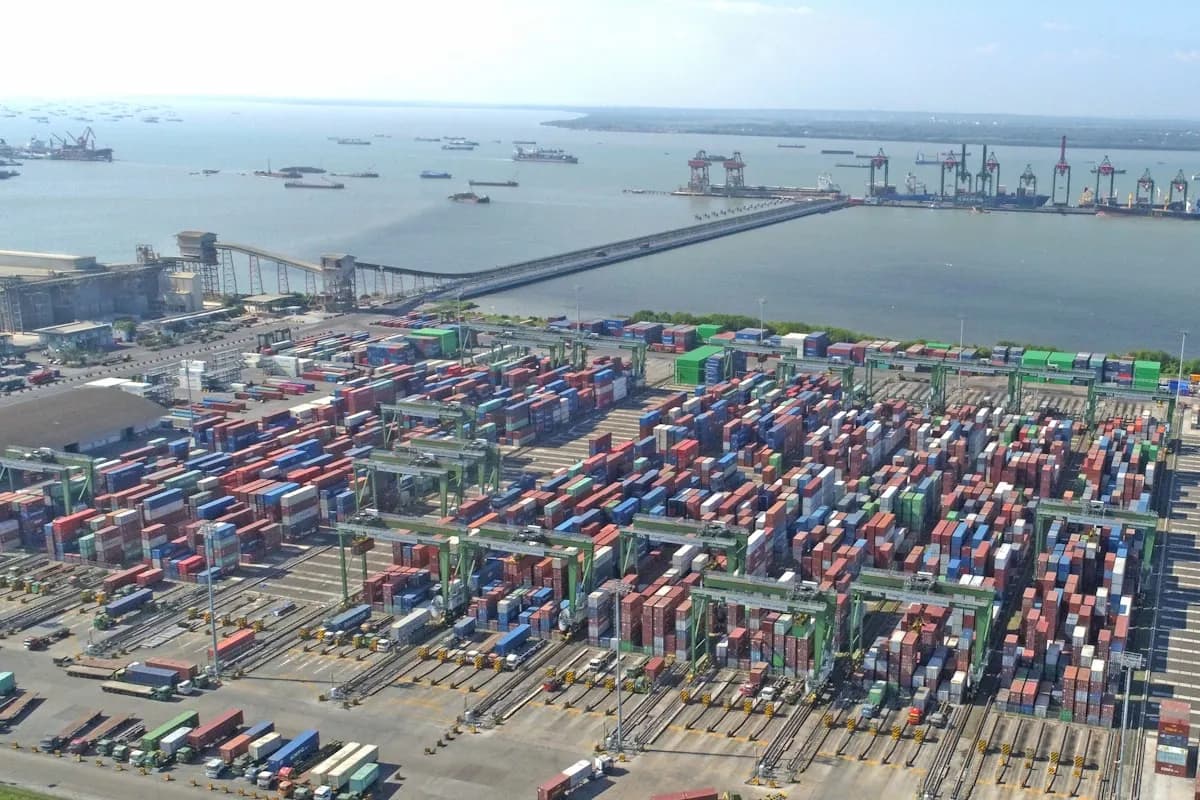
The core problem is visibility below Tier 1. Most organizations know their direct suppliers. They do not know their suppliers' suppliers (Tier 2) or the raw material and component sources (Tier 3+). When a hurricane closes a port in Malaysia, a company may not discover until three weeks later that a critical Tier 3 component comes from a facility served by that port.
Resilinc's 2024 Supply Chain Disruption Report documented 2,841 supply chain disruption events, a 10% increase over the prior year. Everstream's data shows that 73% of supply chain disruptions originate at Tier 2 or below — below the visibility horizon of most organizations' supplier monitoring programs.
How this
agent works
The Supply Chain Risk Intelligence Agent maintains continuous monitoring of risk signals across the supplier network — including Tier 2 and Tier 3 where mappable — and alerts procurement and supply chain teams to developing risks before they reach operations.
The agent monitors news and regulatory sources for events affecting supplier locations and critical materials: natural disasters, geopolitical developments, labor actions, regulatory changes, port and logistics disruptions, and financial distress signals. It maps identified events against the configured supplier network to determine which suppliers, materials, and product lines are potentially affected. Alerts include the affected parties, the risk level, and recommended response options.
For strategic procurement decisions, the agent provides supplier risk profiles incorporating financial health indicators, geographic concentration risks, regulatory compliance history, and environmental risk exposure — giving procurement teams the intelligence to diversify before a disruption forces reactive action.
A Go and Kafka ingestion pipeline pulls from news feeds, port status APIs, regulatory publications, and financial data sources with sub-hour latency, feeding a Neo4j supplier network graph that tracks relationships beyond Tier 1 using shipping records, corporate registry data, and supplier disclosures. A custom event classification model categorizes each incoming event by type, severity, and geography, then an impact propagation engine traverses the graph to identify which materials and product lines are affected. Anthropic Claude generates alert narratives, impact assessments, and ranked response options with lead time and cost implications. The monitoring pipeline is decoupled from downstream components so risk tracking continues uninterrupted during maintenance windows.
A manufacturer of industrial equipment sources 800 unique components from 120 direct suppliers across 18 countries. The supply chain team of 5 currently monitors supplier risk through periodic supplier questionnaires, reactive news monitoring, and occasional third-party risk reports. The team has no systematic visibility below Tier 1.
After deploying the supply chain risk agent, 120 direct suppliers and their mapped sub-tier suppliers are monitored daily for risk events. The team receives a daily digest of flagged events with affected supplier and material identification. For high-severity events, same-day alerts with response recommendations are generated.
These projections are informed by Resilinc's published supply chain disruption cost data, Everstream Analytics' risk intelligence benchmarks, and Gartner's 2024 supply chain technology research.
| Metric | Before | After |
|---|---|---|
| Time from disruption event to internal awareness | 1–3 weeks (supplier notification or operational impact) | 1–48 hours (automated monitoring of event sources) |
| Sub-tier supplier visibility | None systematic; reactive discovery during disruptions | Mapped coverage of critical sub-tier suppliers with ongoing monitoring |
| Supplier risk review frequency | Annual questionnaire; ad hoc during known events | Continuous monitoring with dynamic risk score updates |
- 01
Continuous Event Monitoring
Processes thousands of news sources, port status feeds, weather services, regulatory publications, and financial filings daily. Each event is classified by type — natural disaster, geopolitical, labor, regulatory, financial, or logistics — and filtered for relevance to your configured supplier network. Sub-hour latency from event occurrence to alert delivery.
- 02
Multi-Tier Supplier Network Mapping
Builds the supplier graph beyond Tier 1 using shipping records, commercial supplier databases, corporate registry data, and supplier self-disclosure, then keeps it current as transaction data changes. Most supply chain tools stop at direct suppliers — this one maps the nodes your Tier 1 suppliers depend on, which is where most unexpected disruptions originate.
- 03
Dynamic Supplier Risk Scoring
Scores each supplier across four dimensions: geographic risk (natural disaster exposure, political stability, logistics infrastructure), financial health (credit ratings, payment behavior, public filing analysis), regulatory compliance (sanctions lists, labor and environmental violations), and operational risk (single-facility concentration, known capacity constraints). Scores update as new data arrives, not on a monthly refresh cycle.
- 04
Disruption Impact Assessment
When a risk event clears the classification threshold, the impact engine traverses the supplier graph to identify affected components, estimate volume exposure based on sourcing concentration, and project lead time impact against known alternative source availability. Output is scoped to your actual product lines, not generic supplier risk percentages.
- 05
Response Recommendation Engine
Generates ranked response options for each identified risk: qualify pre-screened alternative sources, increase safety stock ahead of the disruption window, accelerate pending orders, or initiate direct supplier engagement. Each option includes estimated lead time delta and cost implication based on your configured supply chain parameters.
Build this agent
for your workflow.
We custom-build each agent to fit your data, your rules, and your existing systems.
Free 30-min scoping call