 Fordel Studios
Energy Grid Optimization Agent
Dispatch flexible loads and storage to reduce energy costs automatically.
The problem
being solved
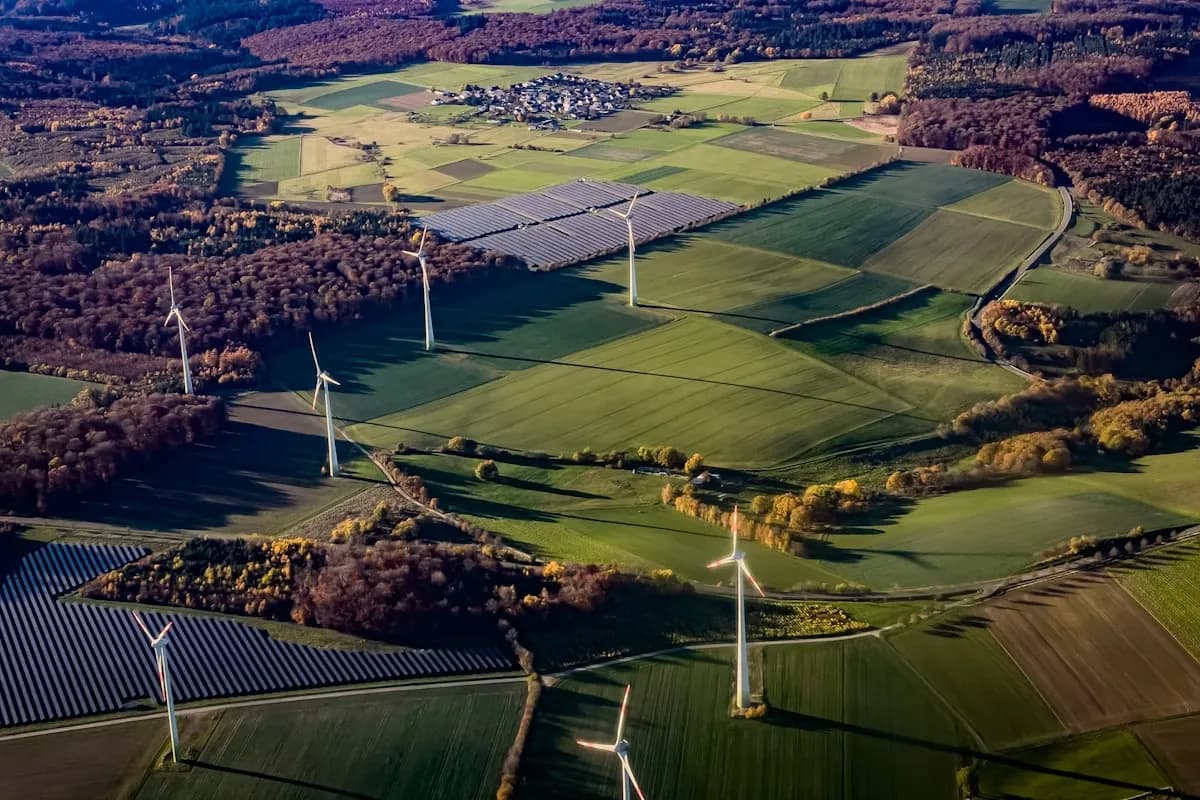
The energy grid is undergoing structural transformation. Renewable generation (solar and wind) is variable and not fully dispatchable. Distributed energy resources — rooftop solar, behind-the-meter storage, EV charging, smart HVAC, industrial demand response — are proliferating faster than grid operators can manage them manually.
The optimization problem is computationally intensive and time-sensitive. A distribution system operator managing hundreds of distributed resources needs to make dispatch decisions in minutes or seconds to respond to frequency deviations, renewable curtailment events, and real-time price signals. Manual dispatch is not feasible at this scale or speed.
AutoGrid's research on demand response optimization shows that AI-managed demand response portfolios achieve 15–30% higher capacity payments than manually managed equivalents, primarily because AI can respond in seconds and optimize across the full portfolio simultaneously. Stem Inc's Athena platform data for battery storage shows 10–20% improvement in economic dispatch value compared to rule-based storage management.
How this
agent works
The Energy Grid Optimization Agent manages the dispatch of distributed energy resources — storage systems, flexible loads, and dispatchable generation — to optimize for configured objectives: cost minimization, demand charge avoidance, real-time price arbitrage, and ancillary services participation.
The agent continuously monitors grid conditions, real-time energy prices, weather and solar/wind forecasts, and the state of managed resources. It optimizes dispatch decisions across the portfolio in real time, executing dispatch commands within seconds of the conditions that trigger them.
For demand response programs, the agent manages curtailment events: receiving utility signals, dispatching load reduction across enrolled customers, verifying response, and calculating performance for settlement. For storage systems, it optimizes charge and discharge scheduling against price forecasts and demand charge windows.
A Go/Kafka telemetry ingestion layer processes real-time device data from battery management systems, smart inverters, and smart meters at sub-second latency, storing time-series data in TimescaleDB. A Python optimization engine runs mixed-integer programming for scheduled resources and reinforcement learning for continuous dispatch decisions, solving against a configurable objective function (cost minimization, demand charge reduction, or revenue maximization). Anthropic Claude handles natural-language reporting, anomaly summarization, and operator-facing explanations of dispatch decisions. An OpenADR 2.0 module manages utility signal receipt, automated device dispatch, and settlement documentation generation.
A C&I energy manager oversees 12 commercial facilities with a total demand of 8 MW. Facilities have rooftop solar (2.5 MW combined), battery storage (1.2 MWh total), and smart HVAC loads enrolled in a demand response program. Current management is rule-based: storage charges at night, discharges during on-peak hours. Demand response events are managed manually.
After deploying the energy optimization agent, storage dispatch and demand response are managed dynamically against real-time price signals, demand charge forecasts, and utility DR event signals. The agent optimizes across all 12 facilities simultaneously.
These projections are informed by AutoGrid's published demand response performance data, Stem Inc's Athena platform economic dispatch benchmarks, and DOE research on AI-managed distributed energy resources.
| Metric | Before | After |
|---|---|---|
| Storage dispatch logic | Fixed rules: charge 10 PM–6 AM, discharge 12 PM–6 PM | Dynamic dispatch optimized against real-time prices, forecasts, and DR signals |
| Demand response event response time | Manual notification + manual load dispatch (minutes to hours) | Automated dispatch within seconds of utility signal receipt |
| Cross-facility optimization | Each facility managed independently by rule | Portfolio-level optimization across all 12 facilities simultaneously |
- 01
Real-Time Price Optimization
Monitors day-ahead and real-time wholesale market prices alongside time-of-use retail rates and demand charge windows. The MIP engine continuously re-solves storage charge/discharge schedules and flexible load timing to minimize total energy cost — including demand charges, which often represent 30–50% of commercial utility bills.
- 02
Demand Response Automation
Receives and parses OpenADR 2.0 signals from utilities and ISOs, dispatching curtailment across enrolled resources within seconds of event notification. Tracks per-device performance during events and auto-generates settlement documentation and performance reports required for program reconciliation.
- 03
Renewable Integration and Curtailment Prevention
Compares real-time on-site solar generation against load and storage state-of-charge to identify curtailment risk. Dispatches deferrable loads — HVAC pre-cooling, EV charging, water heating — to absorb excess generation before it hits export limits or net metering caps.
- 04
Forecast-Driven Look-Ahead Scheduling
Pulls solar irradiance and temperature forecasts alongside day-ahead market prices and utility rate structures to build 24–48 hour dispatch schedules. Re-optimizes intraday as forecasts update, adjusting storage and flexible load plans before conditions change rather than reacting after.
- 05
Performance Analytics and Settlement Reporting
Tracks energy cost savings, demand charge reductions, DR event performance, and renewable utilization rates across the managed portfolio. Outputs utility settlement documentation, Scope 2 emissions data for sustainability reporting, and ROI summaries formatted for portfolio investors and energy managers.
Build this agent
for your workflow.
We custom-build each agent to fit your data, your rules, and your existing systems.
Free 30-min scoping call